
Patient Resources
Eating for a healthier mouth.
Your mouth is the front door to whole-body health. Here's how to eat for it — and how our companion products fit into a broader nutritional program. Small, steady changes beat perfection.
Start here
Your mouth is an ecosystem
Hundreds of bacterial species live in your mouth. Most are helpful or harmless, and a balanced community quietly protects your teeth and gums every day. What you eat is one of the biggest day-to-day influences on which of these bacteria thrive.
Your mouth is also the front door to your entire digestive tract, so caring for it is part of caring for your whole body — and most healthy-eating habits serve your mouth and the rest of you at the same time. The big idea is simple: feed the good bacteria, and avoid wiping them out.
The science, simply
The nitric oxide connection
Nitric oxide (NO) is a tiny signaling molecule your body uses to keep blood vessels relaxed and open, supporting healthy blood flow and circulation. Your body makes it in two ways — and one of them depends on a partnership with the bacteria on your tongue:
- You eat nitrate-rich vegetables.
- Nitrate travels in your blood, and your salivary glands concentrate it back into your saliva.
- Specific bacteria on your tongue — including Neisseria, Rothia, Veillonella, and Actinomyces — convert that nitrate into nitrite.
- When you swallow, nitrite is converted into nitric oxide your body can use.
“The good kind” of nitrate
Nitrate from vegetables comes naturally packaged with vitamin C and protective plant compounds. That’s why vegetable nitrate behaves very differently from the nitrites added to cured and processed meats — and why diets rich in vegetable nitrate are consistently linked with cardiovascular benefit.

OraPath companion
OraPath Boost Nitric Oxide Mints
A portable source of plant-derived dietary nitrate to support your body's natural nitric oxide production — designed for the days when leafy greens aren't on the menu. A slow-dissolving mint keeps nitrate in contact with the bacteria on your tongue. Think of them as a top-up alongside a nitrate-rich diet, not a replacement for it.
Best used: between meals, or on days without a leafy-green serving.
- Fresh breath, wherever you are
- Increases good, nitric oxide–producing oral bacteria
- Sugar-free, vegan, gluten-free, no sodium nitrite
Produced in partnership with MyFitStrip. A dietary supplement — not a substitute for a balanced diet. These statements have not been evaluated by the Food and Drug Administration. This product is not intended to diagnose, treat, cure, or prevent any disease.
What to eat more of
Foods that fuel nitric oxide
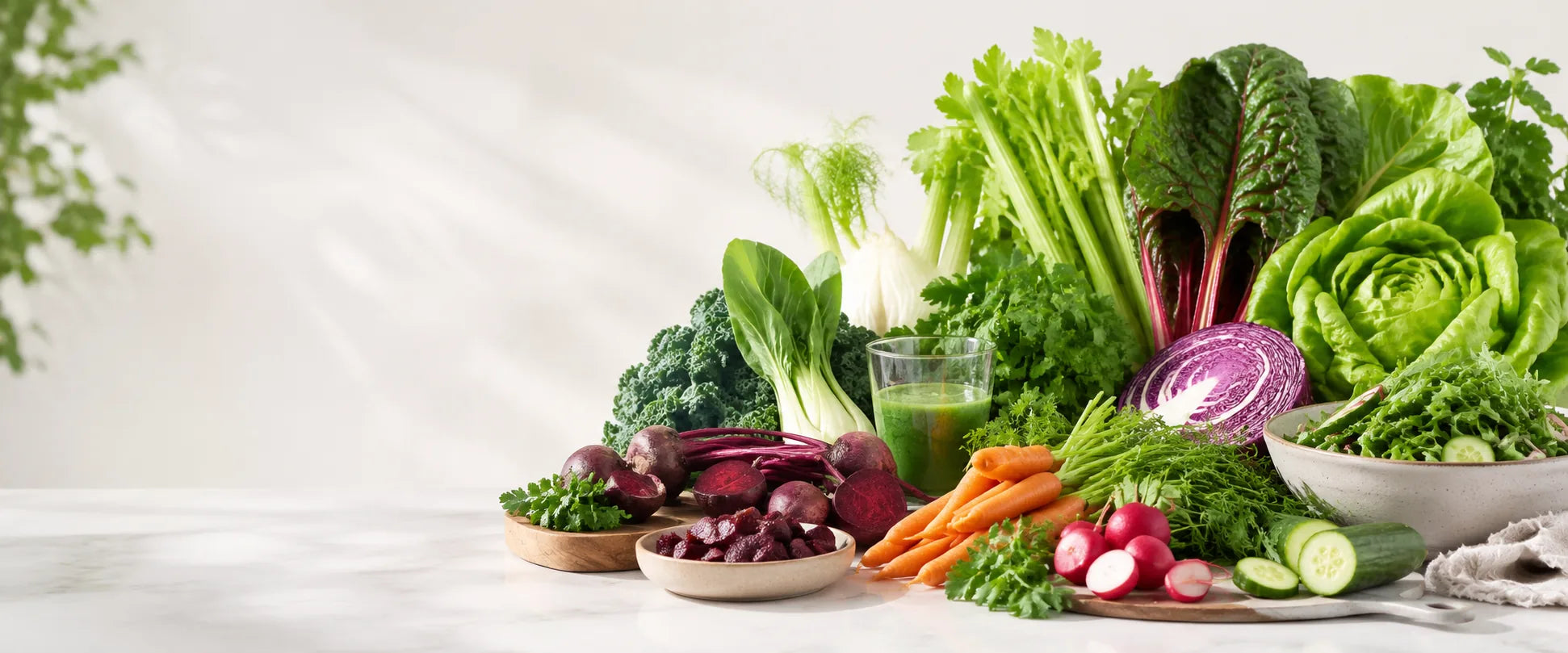
Leafy greens and beets are the richest dietary sources of nitrate. Aim for a generous serving most days.

| Level | Best vegetable sources | Easy ways to enjoy |
|---|---|---|
| Highest | Arugula (rocket), spinach, beetroot & beet greens, Swiss chard, butterhead lettuce | Salad base, smoothie handful, roasted beets, sautéed greens |
| High | Celery, kale, bok choy, fennel, radish, cabbage, parsley, cilantro | Crudité, slaw, stir-fry, fresh herbs on top |
| Moderate | Carrots, broccoli, cucumber | Snacks, sides, dipping veg |
A cooking note
Nitrate dissolves in water, so roasting, steaming, sautéing, or eating greens raw preserves more of it than boiling and pouring the water away. Light cooking is perfectly fine.
Can’t fit greens in every day? OraPath Boost Nitric Oxide Mints are an easy way to keep dietary nitrate available to your oral bacteria between meals.
Beyond nitric oxide
Foods that support a healthy oral community
A varied, whole-food diet helps the helpful bacteria outcompete the troublemakers. Build your plate around these:
- Crunchy, fibrous vegetables and fruit — carrots, celery, apples and other firm produce make you chew, which stimulates saliva. Saliva buffers acid and naturally rinses the mouth.
- Polyphenol-rich foods — berries, green and black tea, cocoa and dark chocolate, and extra-virgin olive oil are associated with a more balanced oral community.
- Fermented foods and dairy — yogurt, kefir, and cheese; cheese in particular can help neutralize acid after meals.
- Omega-3 fats — fatty fish, walnuts, and flax are associated with healthier gums.
- Arginine-rich foods — nuts, seeds, legumes, dairy, and soy supply arginine, which some mouth bacteria use to help buffer acid.
- Water — plain water is the best between-meal drink. It supports saliva and rinses away sugars and acids.
A note on fermented foods
Fermented foods are great for your gut, and they split into two groups for your teeth:
Tooth-friendly: cheese (it raises plaque pH and stimulates saliva), plain unsweetened yogurt and kefir, and fermented soy such as miso, tempeh, and natto. Enjoy these freely.
Gut-great but acidic: sauerkraut, kimchi, kombucha, and naturally brined pickles are quite acidic — treat them like other acidic foods: with a meal rather than grazed from the jar, finished with water, and don’t brush for 30–60 minutes after. (They’re also salty, worth noting if you watch your blood pressure.)
Look for “live cultures.” Shelf-stable, pasteurized, or vinegar-brined versions have lost their beneficial bacteria — the refrigerated, raw versions are the ones that carry them.
Pair it up
Eat your nitrate-rich greens alongside a source of vitamin C — citrus, bell peppers, strawberries, or tomatoes. Vitamin C supports the conversion of nitrite into nitric oxide.
What to keep occasional
What to go easy on
- Frequent added sugar — feeds acid-producing bacteria that drive cavities and tip the community out of balance. Frequency matters even more than amount: constant sipping and snacking keeps the mouth acidic all day.
- Frequent acidic drinks — soda, energy and sports drinks, and constant citrus sipping lower the pH in your mouth and wear down enamel.
- Processed and cured meats — unlike vegetables, a less healthy source of nitrites. Enjoy sparingly.
- Heavy alcohol use, smoking, and vaping — all reduce beneficial bacteria (including the nitrate-reducers) and are hard on your gums.
Don’t undo your good work
Protect your nitrate-reducing bacteria
Feeding the good bacteria only works if you also avoid wiping them out:
- Go easy on antibacterial mouthwash — strong antiseptic rinses don’t tell good bacteria from bad, and can sharply reduce your nitrate-reducing bacteria. For everyday use, consider an alcohol-free, non-antiseptic rinse, and save medicated rinses for when your dentist specifically recommends them.
- Keep up gentle daily care — brushing and flossing target harmful plaque without the broad “scorched-earth” effect of strong antiseptic rinses.
- Stay hydrated and breathe through your nose — saliva and a moist mouth keep the right balance of bacteria.
Always follow your provider’s instructions
If your dentist or physician has prescribed a medicated rinse — for a gum condition, an infection, or after a procedure — follow that guidance. The advice here is for routine, everyday oral care.
Whole-body health starts here
Good for your gut, good for your mouth
Because your mouth is the front door to your digestive tract, oral and gut health are connected — not competing. Most healthy-eating habits serve both at once. A few pull in opposite directions, but the fix is almost always about when and how you eat a food, not whether you eat it.
Where they differ — and the easy fix
| Healthy habit | Why it can affect teeth | The simple fix |
|---|---|---|
| Fermentable fiber supplements (inulin, FOS, “prebiotic” powders & drinks) | Great for the gut, but feeding sugars to your teeth all day lowers mouth pH | Take with a meal, not sipped over hours; finish with water |
| Slowly sipped acidic “healthy” drinks (kombucha, citrus water, vinegar tonics) | Slow sipping keeps the mouth acidic and softens enamel | Drink with a meal and fairly quickly; rinse with water; wait 30–60 min before brushing |
| Sticky dried fruit & chewy bars | Gut-friendly, but cling to teeth and feed acid-producing bacteria | Eat with a meal, then rinse; choose fresh fruit between meals |
| All-day “healthy” grazing | Constant snacking means constant acid — even with good foods | Group food into meals so your mouth gets time to recover |
The single most useful habit: give your mouth recovery time
Every time you eat or drink anything but water, your mouth turns slightly acidic and then slowly recovers. Grouping food into meals — rather than grazing all day — lets that recovery happen, protecting your enamel and a balanced oral community without changing a single food on your plate.
Put it together
A week of mouth- and gut-friendly meals
Built on the same ideas: a daily serving of nitrate-rich greens or beets, polyphenols and omega-3s through the week, fermented and arginine-rich foods, and structured meals (not all-day grazing) so your mouth can recover. Default drinks: water and unsweetened tea.
| Day | Breakfast | Lunch | Snack | Dinner |
|---|---|---|---|---|
| Mon | Greek yogurt, berries & walnuts; green tea | Arugula–spinach salad, chickpeas, tomatoes, olive oil & lemon | Carrot & celery sticks with hummus | Roasted salmon, sautéed Swiss chard, roasted beets |
| Tue | Spinach & egg scramble with bell peppers | Lentil & kale soup, whole-grain bread, an orange | Apple slices with almond butter | Grilled chicken, beet & arugula salad, quinoa |
| Wed | Overnight oats with flax, blueberries & walnuts | Mixed-green salad with edamame, radish, avocado, citrus | Cheese & a small handful of grapes | Baked cod, roasted broccoli, sautéed beet greens |
| Thu | Kefir smoothie with spinach, berries & chia | Quinoa bowl with roasted beets, chickpeas, parsley, tahini | Bell pepper & cucumber with guacamole | Tofu stir-fry with bok choy, cabbage & sesame |
| Fri | Plain yogurt, strawberries & pumpkin seeds; green tea | Salmon or sardine salad over arugula with lemon | A small handful of mixed nuts | Turkey & bean chili with tomato, side salad |
| Sat | Veggie omelet with spinach & herbs; fresh orange | Mediterranean plate: greens, olives, feta, hummus, cucumber | Dark chocolate square with a few walnuts | Fish tacos with cabbage slaw, cilantro & lime |
| Sun | Oat pancakes topped with berries; tea | Roasted beet & lentil salad with goat cheese & arugula | Celery with nut butter | Roast chicken, mashed cauliflower, kale & beet-green sauté |
Timing tips: enjoy sticky, dried, or acidic items with meals rather than as all-day snacks, and rinse with water afterward. Pair your greens with a vitamin-C food. This planner is a flexible example, not a prescription — adjust to your own needs and any guidance from your healthcare providers.
Built to fit the program
Where our companion products fit
These are designed to support the habits above — not replace them. Food first; the mints fill the gaps and the in-between moments.
OraPath Boost Nitric Oxide Mints
A portable source of plant-derived dietary nitrate to support your body's natural nitric oxide production — designed for the days when leafy greens aren't on the menu. A slow-dissolving mint keeps nitrate in contact with the bacteria on your tongue. Think of them as a top-up alongside a nitrate-rich diet, not a replacement for it.
Best used: between meals, or on days without a leafy-green serving.
Shop BoostImportant
This guide is for general educational purposes only and is not medical, dental, or dietary advice, diagnosis, or treatment. Talk with your physician or dentist before making significant dietary changes — especially if you take blood-pressure or nitrate medications, are pregnant, have kidney disease, or manage a chronic condition. Foods and supplements can support, but do not replace, professional care.
About our companion products
OraPath Boost Nitric Oxide Mints are a co-branded product produced in partnership with MyFitStrip and sold by OraPath. As the seller, OraPath has a commercial interest in this product. It is a dietary supplement intended to complement a balanced diet and good oral hygiene. These statements have not been evaluated by the Food and Drug Administration. This product is not intended to diagnose, treat, cure, or prevent any disease.